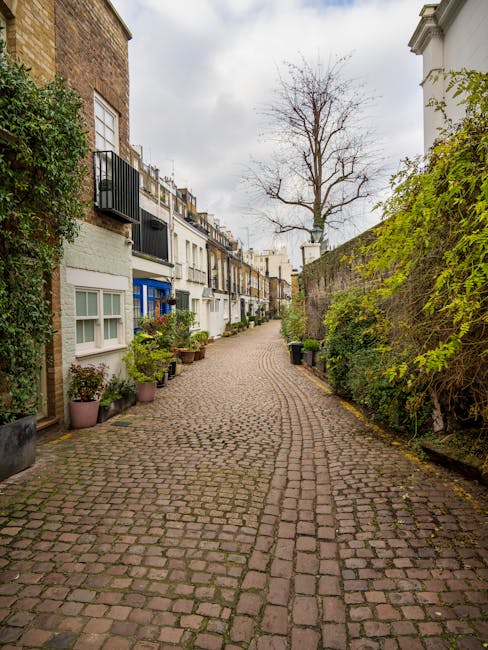
Kensington High Street gardeners guide for Victorian terraces
If you live on or near Kensington High Street and your home is a Victorian terrace, your garden probably has a few familiar traits: a narrow footprint, a bit of shade, a boundary wall, and just enough charm to make you fall for it all over again each spring. This Kensington High Street gardeners guide for Victorian terraces is written for exactly that kind of space. It's for people who want a garden that looks elegant, works in London conditions, and does not become a weekend chore that quietly takes over your life.
Victorian terrace gardens can be beautiful, but they ask for a slightly different approach. Soil may be tired, access can be tight, privacy matters, and the balance between structure and softness is everything. Get that balance right and the whole property feels calmer, brighter, more lived-in. Get it wrong and, well, you end up with a few sad containers and a lawn that never really got the memo.
In this guide, you'll find practical advice on layout, planting, maintenance, local considerations, and the kind of decisions that make the biggest difference in Kensington. Along the way, we'll also point you to useful pages like our gardening services, garden maintenance support, and landscaping options if you want help turning ideas into a workable plan.
By the end, you should have a clearer sense of what your terrace garden needs, what to avoid, and how to make it feel like part of the house rather than an afterthought.
Table of Contents
- Why Kensington High Street gardeners guide for Victorian terraces Matters
- How Kensington High Street gardeners guide for Victorian terraces Works
- Key Benefits and Practical Advantages
- Who This Is For and When It Makes Sense
- Step-by-Step Guidance
- Expert Tips for Better Results
- Common Mistakes to Avoid
- Tools, Resources and Recommendations
- Law, Compliance, Standards, or Best Practice
- Options, Methods, or Comparison Table
- Case Study or Real-World Example
- Practical Checklist
- Conclusion
- Frequently Asked Questions
Why Kensington High Street gardeners guide for Victorian terraces Matters
Victorian terraces around Kensington High Street often have a lot going on in a small space. You may have rear access that is awkward, boundaries that are close to neighbours, mature trees nearby, and microclimates created by surrounding buildings. That means the usual broad advice for "London gardens" is not quite enough.
What makes this guide useful is that it focuses on the realities of terrace gardening: confined dimensions, shade from adjacent homes, reflected heat from masonry, and the need to make every square metre earn its keep. There's no room for guesswork. A planting plan that looks lovely in a large suburban plot can feel cramped or chaotic here within a season.
For Victorian terraces, gardening is not just about aesthetics. It's about preserving the character of the house. Deep borders, clipped shrubs, narrow paths, elegant container groupings, and period-sensitive materials can all help a terrace feel coherent. The garden should sit naturally with the architecture, not fight it.
And then there's practicality. A garden in this part of London is often used hard. Morning coffee, children's play, entertaining, storing bins, maybe a bike or two. A good design accounts for real life, not just the pretty photo. To be fair, that's what separates a garden that looks good for one month from one that still works beautifully in November.
If you are refining an existing space, it may help to look at a broader garden design service or even a targeted garden clearance first. Sometimes the best improvement is simply removing what no longer belongs.
How Kensington High Street gardeners guide for Victorian terraces Works
The practical logic behind gardening Victorian terraces is straightforward, even if the details are not. First, assess the garden as a living system: light, soil, drainage, access, boundaries, and use. Then decide what role the space should play. A terrace garden can be formal, relaxed, family-friendly, wildlife-rich, very low-maintenance, or a mix. The key is to choose, rather than drift.
In a Kensington setting, a good gardener will usually look at the garden in layers:
- Structure: paths, steps, edging, walls, fencing, trellis, and seating zones.
- Evergreen backbone: shrubs and climbers that give shape through winter.
- Seasonal colour: bulbs, perennials, and annuals that bring rhythm through the year.
- Maintenance load: how much cutting, watering, feeding, and sweeping the garden will realistically need.
This layered approach is especially helpful in terrace gardens because the space can feel flat if everything is at the same height. Victorian properties tend to suit vertical interest: climbing roses, jasmine, espaliered fruit, trained shrubs, and wall trellis. These give you depth without swallowing the garden.
So how does it actually work on the ground? Usually with a simple sequence: understand the site, remove the clutter, prepare the soil, set the structure, then plant in a way that respects light and space. If the garden is shaded, you lean into ferns, hellebores, hydrangeas, and shade-tolerant evergreens. If it gets strong sun from a south-facing rear aspect, you think about drought tolerance and watering habits from day one. No drama. Just sensible decisions made early.
For ongoing upkeep, many homeowners pair a design or one-off renovation with regular garden maintenance. That can be the difference between a garden that gradually slips and one that quietly improves each month.
Key Benefits and Practical Advantages
A well-planned Victorian terrace garden offers more than visual appeal. It can improve how the whole home feels and functions.
- Better use of space: Small gardens become more usable when paths, planting, and seating are planned with intent.
- More privacy: Careful screening can soften overlooking without making the garden feel boxed in.
- Stronger curb and rear-garden character: The garden begins to match the home's period style.
- Lower stress maintenance: The right planting palette reduces the constant reset of tired beds and overgrown corners.
- Year-round structure: Evergreen layers stop the garden looking bare in winter.
- Better drainage and soil health: Victorian plots often need thoughtful soil improvement, especially where building work or hardstanding has compacted the ground.
There is also a quieter benefit that people sometimes overlook: a good garden changes how the house feels from inside. When the view from the back door is well considered, even a grey London afternoon feels less dull. That matters more than people think.
From a property perspective, a neat, coherent terrace garden can make a strong impression. Not because it shouts for attention, but because it looks cared for. In Kensington, that understated quality tends to carry more weight than flashy planting that falls apart by midsummer.
If you are weighing up whether to refresh, redesign, or simply maintain, a conversation about landscaping can help you separate quick wins from deeper changes. Sometimes a modest intervention delivers the most usable result.
Who This Is For and When It Makes Sense
This guide is for homeowners, landlords, managing agents, and tenants with responsibility for a Victorian terrace garden near Kensington High Street. It is especially useful if your space is narrow, partly shaded, overlooked, or has been layered with years of patchwork fixes.
It makes sense to prioritise this kind of gardening approach if any of the following sound familiar:
- Your garden feels too small to be useful.
- The planting is tired, but you do not want a full rebuild.
- You want more privacy from neighbouring windows or upper floors.
- The garden looks tidy in summer but bare the rest of the year.
- Access is tight, so maintenance needs to be efficient.
- You want to protect the period feel of the property.
It also matters if you are planning to sell, rent, or simply enjoy the home more. A terrace garden that is easy to understand and easy to maintain can be surprisingly persuasive. The buyer or tenant does not need to be a gardener. They just need to see that the space works.
Truth be told, a lot of terrace gardens are not really failing because they are small. They are failing because nobody made clear decisions. The minute you define the purpose, things get easier.
Step-by-Step Guidance
1. Start with a proper site assessment
Walk the garden at different times of day if you can. Morning light, midday brightness, and evening shade are not the same thing. Note where water lingers after rain, where soil dries out fastest, and where walls or neighbouring buildings create dry shade. In London gardens, those differences shape nearly every good planting choice.
2. Decide what the garden should do
Ask yourself a simple question: is this garden for relaxing, entertaining, growing plants, family use, or all of the above? You do not need to choose one single purpose forever, but you do need a clear starting point. A terrace garden that tries to do everything often ends up doing nothing especially well.
3. Clear out the weak points
Before planting anything new, remove dead shrubs, failing sleepers, loose paving, and overcomplicated features that eat space. If the garden has become cluttered over the years, a reset can be liberating. A good garden clearance service can save time and help you start with a cleaner base.
4. Improve the soil properly
Victorian terrace soils are often compacted, depleted, or mixed with rubble. That does not mean they are hopeless. It just means they need attention. Organic matter, well-rotted compost, and careful cultivation usually do more good than any clever plant choice on its own. If drainage is poor, do not ignore it. Wet feet kill many otherwise excellent planting plans.
5. Build structure before colour
Install paths, edging, seating, containers, or trellis first. Then add evergreen shrubs and climbers. Colour comes last. This order matters because structure makes a small garden feel calm. Without it, seasonal planting can turn into a muddle by June.
6. Choose plants that suit the light
In shade, think texture and leaf shape as much as flowers. In sun, go for plants that tolerate heat and slightly drier conditions. Either way, avoid planting too densely at the outset. It is easy to get carried away at the nursery. Happens to the best of us.
7. Set a maintenance routine early
Plan how often the garden will be watered, cut back, fed, and checked. If you do not want a garden that demands attention every week, choose lower-maintenance plants and simple forms. If you do enjoy gardening, you can add more seasonal interest. But build around the time you actually have, not the time you imagine you might find on a perfect Sunday morning.
8. Review after one season
The first year teaches you a lot. Some plants will surprise you, others will sulk a bit. That is normal. Observe what thrives, what needs moving, and which corners remain awkward. A good gardener does not expect to get every detail right immediately.
Expert Tips for Better Results
Here are a few practical lessons that tend to make the biggest difference in Victorian terrace gardens.
- Use repetition. Repeating a few plant types creates calm. Too many one-off choices can make a small space feel busy and chaotic.
- Think vertically. Walls, fences, and trellis are valuable real estate in terrace gardens. Use them well.
- Keep the palette restrained. One or two container styles often look more elegant than a mixed collection gathered over five summers.
- Leave room to move. Narrow gardens are unforgiving if paths become too tight.
- Choose plants for resilience, not just looks. A pretty but fragile plant that needs constant coddling is not always a win in London conditions.
One useful trick is to layer scent near doors or sitting areas. Jasmine, lavender, roses, and herbs can turn a tiny garden into a much richer experience. Open the back door on a warm evening and the smell alone changes the mood. Little things, but they matter.
If you are dealing with a more technical layout challenge, a local garden design consultation can help you test ideas before making costly mistakes. That is often money well spent, especially when access is awkward or the garden has historic character you want to respect.
And yes, sometimes the best expert tip is to stop adding things. A garden can recover beautifully when you let a few strong choices breathe.
Common Mistakes to Avoid
Victorian terrace gardens are forgiving in some ways and brutally honest in others. A few mistakes come up again and again.
- Overplanting from the start: Small gardens need space to mature. Cramming plants in usually creates work later.
- Ignoring shade patterns: What works in full sun at the front may fail completely at the back.
- Choosing high-maintenance glamour plants everywhere: A bit of drama is fine, but not if it turns into constant replacement.
- Forgetting access: If the gardener can't reach beds or containers easily, maintenance becomes clumsy and more expensive.
- Using too many materials: Brick, stone, gravel, timber, metal, and ceramic can all work. All at once? Usually less so.
- Neglecting the winter view: Gardens in London spend a lot of time not in bloom. Structure carries the rest.
A very common one is the "I'll sort it next spring" trap. Fair enough, spring is busy. But small problems in terrace gardens tend to snowball. A wobbly fence panel becomes a privacy issue. A clogged drain becomes a muddy corner. A few missed weeds become a whole mood.
When in doubt, simplify. Nearly always the better move.
Tools, Resources and Recommendations
You do not need a shed full of specialist kit to maintain a Victorian terrace garden well. A few reliable tools and sensible materials go a long way.
| Item | Best use | Why it helps in terrace gardens |
|---|---|---|
| Hand trowel and border fork | Planting, weeding, soil work | Ideal for tight spaces and raised beds |
| Bypass secateurs | Pruning shrubs and climbers | Gives clean cuts and is easier on living stems |
| Watering can or hose with control | Targeted watering | Useful where overwatering or runoff is a risk |
| Compost and mulch | Soil improvement and moisture retention | Helps depleted urban soils recover |
| Trellis or wires | Climbers and vertical interest | Essential for making walls and fences work harder |
For larger projects, it can also be useful to work with a team that handles both upkeep and transformation. You might start with professional gardening support, then move into a more considered landscaping plan once the bones of the garden are clear.
Resources worth keeping in mind include reputable UK plant nursery advice, RHS-style planting guidance, and local knowledge from gardeners who understand London courtyards and terrace plots. The latter matters more than people think. A plant that looks fine on paper can behave very differently in a shaded Kensington back garden.
Law, Compliance, Standards, or Best Practice
Most garden work in a domestic Victorian terrace is straightforward, but there are a few sensible checks. If you are changing fences, walls, drainage, lighting, or trees, it is worth being cautious about permissions, neighbours, and site-specific conditions. Exact requirements can depend on your property, lease, conservation status, and the scope of the work, so if anything feels borderline, check before starting.
In Kensington and across London, good practice usually means:
- respecting boundary ownership and access arrangements,
- keeping drainage working properly and avoiding runoff to neighbouring properties,
- being careful with tree roots and established planting,
- using safe methods for pruning, climbing work, and waste removal,
- checking whether any conservation or leasehold considerations apply before replacing hard landscaping or external features.
If your garden is part of a managed building or shared arrangement, make sure everyone understands what is changing. That can save a lot of friction later. And if a tree, wall, or structure looks historic, treat it with respect rather than a shovel-first attitude. You know the type of job that looks simple until it suddenly really isn't.
For ongoing care, a reputable maintenance plan can also help keep work consistent and reduce the risk of rushed, reactive fixes.
Options, Methods, or Comparison Table
Not every Victorian terrace garden needs the same approach. The right method depends on space, budget, and how much maintenance you want to take on.
| Approach | Best for | Pros | Trade-offs |
|---|---|---|---|
| Light refresh | Tired but usable gardens | Quick improvement, lower cost, minimal disruption | Won't fix deeper layout or drainage issues |
| Planting-led redesign | Gardens with decent structure but poor planting | Strong visual impact, better seasonality | Needs proper soil prep and ongoing care |
| Full landscaping project | Problem layouts, poor access, or major wear | Most transformative, can solve functional issues | More time, more planning, usually higher investment |
| Low-maintenance scheme | Busy households or rental properties | Easy to manage, predictable upkeep | May feel less lush if over-simplified |
If you are not sure which route fits, a short site visit from a local gardener is often enough to clarify things. Sometimes the answer is not a big project at all. Sometimes it is just better edging, better soil, and a few stronger plants. That can be a lovely result, actually.
Case Study or Real-World Example
Imagine a typical Victorian terrace behind Kensington High Street: a narrow rear garden, some patchy paving, a tired shrub that has long since outgrown its welcome, and a fence that leaves the space feeling exposed. It's not unusual. In many cases, the issue is not size but imbalance.
A sensible redesign might start by clearing the congested middle of the space, improving the soil along the borders, and introducing a simple structure: a slim seating area near the house, a central path with clear lines, and climbing plants on the boundaries to lift the eye. The planting could combine evergreen shrubs for backbone, seasonal perennials for movement, and a few pots near the door for colour and scent.
What usually changes most is the feeling of the garden. It goes from being a bit of an in-between space to somewhere you want to step into with a coffee, even on a cool morning. You hear less rustle from clutter, more from leaves moving in the breeze. Sounds small. It isn't.
This is where a practical service mix can help. A team might begin with clearance, then move to design, and later keep it in shape through regular maintenance. That sequence is often the most efficient way to get from "bit messy" to "actually lovely".
Practical Checklist
Use this checklist before you commit to changes in a Victorian terrace garden near Kensington High Street.
- Have you identified the garden's main purpose?
- Do you know which parts are in sun, shade, or dry shade?
- Is the soil healthy enough, or does it need improvement?
- Are the boundaries strong enough for privacy and support?
- Have you kept space for walking, sitting, and daily use?
- Are your plant choices realistic for your maintenance time?
- Have you planned for winter structure, not just summer bloom?
- Do you need clearance before any redesign begins?
- Could vertical planting solve more than low planting alone?
- Have you checked for any leasehold, boundary, or conservation considerations?
Quick expert summary: in terrace gardens, the best results usually come from restraint, structure, and honest maintenance planning. Not from doing the most. Just doing the right things in the right order.
Conclusion
A Victorian terrace garden near Kensington High Street has real character built into it already. Your job is not to fight that character, but to work with it. Good terrace gardening means understanding the limits of the space, respecting the architecture, and choosing plants and materials that make everyday life easier as well as prettier.
If you remember only one thing from this guide, let it be this: small gardens reward clarity. Clear structure, clear planting choices, clear maintenance habits. Once those three things are in place, the rest becomes much more enjoyable. And yes, even a tiny back garden can feel generous when it's well handled.
If you are ready to improve your terrace garden, start with a realistic plan, a tidy base, and expert help where needed. A thoughtful approach now saves a lot of faff later.
Get a free quote today and see how much you can save.
There is something quietly satisfying about opening the back door and seeing a garden that simply fits the house. That's the goal, really.
Frequently Asked Questions
What makes a Victorian terrace garden different from other London gardens?
Victorian terrace gardens are often narrower, more overlooked, and more structurally tied to the house than other garden types. They usually need stronger vertical planting, careful privacy screening, and better use of limited space.
What plants work best in a Kensington terrace garden?
It depends on light and aspect, but many terrace gardens do well with evergreen shrubs, climbers, shade-tolerant perennials, hardy herbs, and seasonal bulbs. The best choices are the ones that suit your actual conditions, not just what looks good in a nursery.
How do I make a small Victorian garden feel bigger?
Use fewer materials, clearer lines, repetition in planting, and vertical layers. Avoid cluttering the space with too many separate features. A calm layout usually feels larger than a busy one.
Do terrace gardens need professional maintenance?
Not always, but many do benefit from it, especially where access is awkward or the planting is more complex. Regular maintenance can prevent a small amount of neglect from turning into a bigger renovation later.
Should I clear the whole garden before redesigning it?
Not necessarily. Sometimes a selective clearance is enough. If the layout is fundamentally good, you may only need to remove overgrowth, replace weak plants, and improve the soil.
How often should a terrace garden be watered in London?
There is no one-size-fits-all answer. Containers, newly planted beds, and sunny south-facing plots usually need more attention than shaded, established borders. The soil should guide you more than the calendar.
What is the best low-maintenance option for a Victorian terrace garden?
A simple planting scheme with durable shrubs, mulch, a few well-chosen climbers, and minimal lawn is often the easiest to manage. Hard surfaces and planting should be balanced carefully so the garden does not feel too bare.
Can I improve privacy without building a tall fence?
Yes. Trellis, climbing plants, layered shrubs, and strategic container placement can improve privacy without making the garden feel closed in. In many terrace gardens, that softer approach works best.
How do I know whether I need landscaping rather than gardening?
If the garden has drainage issues, poor access, broken hard landscaping, or a layout that doesn't suit how you use the space, landscaping may be the better route. If the structure is fine but the planting is tired, gardening work may be enough.
Are there special considerations for historic or period homes in Kensington?
Yes, especially if the property is within a conservation context, leasehold arrangement, or has historic boundaries or features. It is sensible to check before changing walls, fencing, trees, or external structures.
What should I do first if my terrace garden is badly overgrown?
Start with clearance and a basic assessment of what is worth keeping. Once the space is readable again, you can decide whether to maintain, redesign, or rebuild parts of it. That first pass can feel a bit messy, but it's usually the right beginning.
How can I keep the garden looking good through winter?
Choose evergreen structure, winter-interest shrubs, simple hard landscaping, and a few container accents. A terrace garden does not need to be in full bloom to look considered. Good bones carry the space through the colder months.