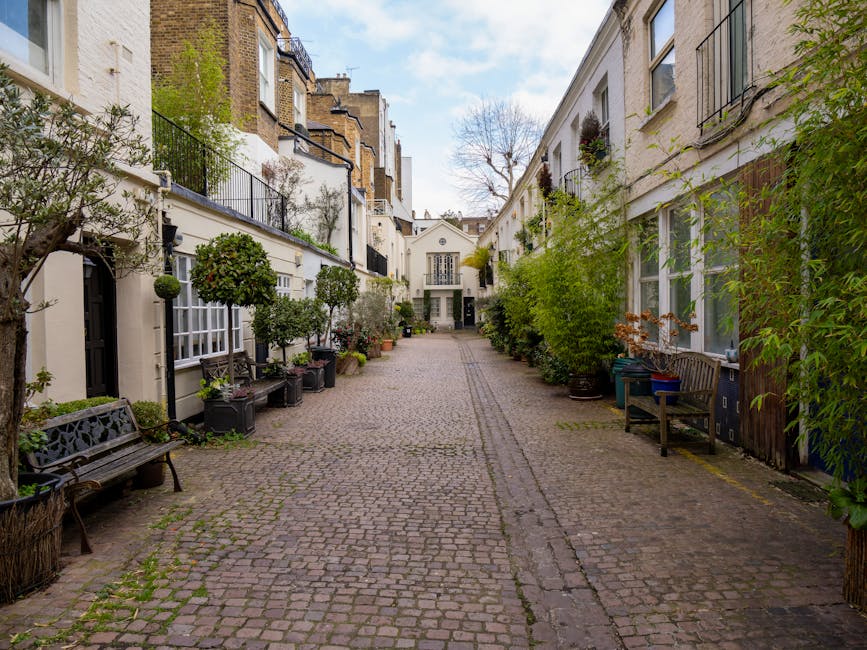
South Kensington gardeners for small patios near Gloucester Road: a practical guide to making compact outdoor space feel calm, green, and usable
If you live near Gloucester Road, you probably know the feeling: a patio that is small, a little awkward, and too easy to ignore. It might collect plant pots, a chair that barely fits, and the odd leaf from a neighbouring tree. But with the right approach, that same space can become a proper little retreat. That is exactly where South Kensington gardeners for small patios near Gloucester Road make a real difference.
This guide is for anyone who wants a compact outdoor area to feel considered rather than crowded. We will look at how small-patio gardening works, what good local gardeners actually do, how to avoid common mistakes, and what to expect if you are planning a tidy-up, planting scheme, or full redesign. If you are comparing options, thinking about upkeep, or simply wondering where to start, you are in the right place.
Truth be told, small patios can be brilliantly satisfying to work on. There is nowhere to hide, so every choice matters. A smart pot, a bit of structure, the right soil, and suddenly the space feels lifted. Not perfect. Better. And often, that is enough.
Why South Kensington gardeners for small patios near Gloucester Road Matters
Small patios are not miniature gardens. They behave differently. Light bounces off walls, wind can whip through a narrow gap, and the space can dry out quickly in summer while staying damp and shady for long periods in winter. Near Gloucester Road, you also see a mix of building styles, basement courtyards, and shared access spaces, which means the practical side matters just as much as the aesthetic side.
A good local gardener understands that a small patio needs more than attractive pots. It needs proportion, drainage, durability, and a planting scheme that does not collapse after the first hot spell. In our experience, the best results come from gardeners who think about how people actually use the space: morning coffee, a bit of privacy, somewhere for herbs, maybe a place that looks welcoming from the kitchen window. Not a showroom. A real space.
That local understanding can save you time and money. It helps avoid oversized furniture, plants that outgrow the setting, and materials that make the area feel cramped. It also supports better aftercare, because a compact patio in South Kensington often needs more regular attention than a larger suburban garden. There is no room for neglect. None, really.
If you are already exploring local services, it can help to look at broader support too, such as garden maintenance in South Kensington or more specialist help like patio gardening services in South Kensington. Those pages can give you a sense of how a local team might structure care across planting, tidying, and design.
How South Kensington gardeners for small patios near Gloucester Road Works
The process is usually more structured than people expect. A skilled gardener does not simply arrive with a few plants and hope for the best. They assess the light, drainage, access, existing surfaces, and the way the patio is used day to day. Then they decide what needs changing first. Sometimes that is obvious. Sometimes it is a bit hidden under layers of old compost and a few pots that have seen better days.
For small patios, the work often falls into a few practical stages:
- Assessment: measure the space, note sun and shade, check drainage, and identify any awkward corners or problem areas.
- Planning: choose a style and function, whether the goal is privacy, colour, low maintenance, or a mix of all three.
- Preparation: clear out dead material, refresh soil, clean pots and paving, and fix issues that affect plant health.
- Plant selection: choose plants that suit the light levels, container size, and level of care you can realistically provide.
- Installation: arrange planters, install supports if needed, improve soil, and position everything with mature size in mind.
- Aftercare: establish watering, feeding, pruning, and seasonal refresh routines so the patio stays looking good.
There is a subtle skill in making a small space feel generous. It usually comes from restraint. One strong focal point often beats six competing ideas. A compact olive, a slim multi-stemmed shrub, a raised herb planter, or a climbing plant on a wall can do more than a dozen small decorative touches. Small space, strong decision. That is the trick.
If your patio is connected to a townhouse or lower-ground flat, access can matter as much as the planting. Materials may need to be carried through shared hallways or down stairs, which changes the practical plan. Good gardeners take that into account rather than treating the space like a blank slate.
Key Benefits and Practical Advantages
There are several reasons people invest in professional help for compact patios near Gloucester Road, and not all of them are about appearances.
- Better use of space: a planned layout prevents clutter and makes the patio feel larger.
- Plant choices that last: the right species and containers reduce failure and constant replacing.
- Lower maintenance stress: when the scheme is realistic, you spend less time rescuing it.
- More privacy: screens, climbers, and layered planting can soften overlooked spaces.
- Year-round interest: evergreen structure, winter texture, and seasonal flowers keep the space alive.
- Better presentation: a tidy, well-planted patio often makes the whole home feel calmer.
For many clients, the biggest benefit is not dramatic transformation. It is relief. The patio stops feeling like a problem area and starts behaving like a useful part of the home. You open the door and think, yes, this works now. That moment matters.
There is also a practical value in choosing maintenance support that matches the scale of the space. A small patio may not need large team visits, but it does benefit from regular, attentive care. If you want a broader view of that approach, a local garden care service in South Kensington can help explain what ongoing support looks like in a compact urban setting.
Who This Is For and When It Makes Sense
This type of gardening support is ideal if you have a small courtyard, terrace, mews patio, balcony-connected ground space, or a compact outdoor area that is not working as well as it should. It is also a strong fit if you are busy, away often, or simply do not want to spend your weekends pruning and replacing dead plants. Fair enough.
It tends to make sense for:
- homeowners who want a polished outdoor area without overcomplicating it
- flat owners with basement or lower-ground patios that need smart light-aware planting
- landlords who want a neat, attractive outside space for tenants
- people preparing to sell or rent and needing strong kerb appeal from the rear or side access
- busy professionals who want low-maintenance greenery rather than a high-effort garden
It may also be the right move if your patio has a few recurring issues: poor drainage, tired planters, shady corners, or plants that keep failing for reasons you cannot quite pin down. That kind of frustration is common in South Kensington, especially near older buildings where the conditions are not always straightforward.
And yes, sometimes the best answer is not more plants. Sometimes it is better structure, better containers, and fewer but better-chosen elements. A little honesty goes a long way.
Step-by-Step Guidance
If you want to improve a small patio properly, it helps to follow a clear sequence. Rushing straight to buying plants is where many projects go a bit sideways.
1. Start with the light
Watch the space through the day. Morning sun, afternoon shade, reflected light from pale walls, and wind channels all influence what will work. A bright-looking patio may still be surprisingly dry or exposed. That first observation, even a quick one, is valuable.
2. Measure the usable area
Measure the real space, not the imagined space. Leave room for chair legs, doors opening, and walking routes. On a small patio, 10 centimetres can matter more than you expect. We have all seen the pot that looked elegant in the shop and then arrived home like a minor architectural event.
3. Decide the main purpose
Is the patio for sitting, planting, privacy, cooking herbs, or a mix? One patio cannot do everything equally well, so prioritise. For example, a coffee space with one statement planter can feel far more enjoyable than a crowded plant collection that blocks movement.
4. Choose a simple layout
Keep the structure clean. Use edges, containers, and vertical elements to create shape. Repeating one or two materials often looks better than a patchwork of pots. Small spaces need rhythm, not noise.
5. Select plants for the conditions, not the fantasy
This is where expert judgment really pays off. Select plants based on light, exposure, available depth for roots, and how much watering you can reasonably manage. If a plant needs constant attention and the patio gets hot in summer, it may not be the right fit, however beautiful it looks on paper.
6. Install in layers
Start with the largest structural pieces, then medium-height plants, then trailing or seasonal details. This layered approach makes the patio feel fuller without becoming cluttered.
7. Set a care routine from day one
After installation, decide who waters, how often feeding will happen, and what seasonal maintenance looks like. Even the best design fails if aftercare is vague. A few clear habits make all the difference.
Expert Tips for Better Results
Here are the habits that usually separate a decent patio from a really good one.
- Use fewer, better containers: a coherent set of planters usually looks more refined than mismatched leftovers.
- Think vertically: walls, trellises, and climbing plants free up floor space and add height.
- Choose evergreen structure: even in winter, the patio should still have bones.
- Mix texture carefully: shiny leaves, soft grasses, and architectural forms work well together if they are not overused.
- Allow for root room: small pots dry out fast, so do not squeeze larger plants into undersized containers.
- Plan for maintenance access: you still need to water, deadhead, and rotate pots without doing a contortion act.
One often-missed detail is smell. A tiny patio can benefit from herbs, scented foliage, or a climber with a gentle fragrance near seating. A whiff of rosemary on a warm day, or jasmine drifting near a doorway at dusk, can change how the whole space feels. Subtle, but memorable.
If you are after broader design inspiration, you may also find it useful to look at garden design services in South Kensington, especially if you want the patio to tie into a larger rear garden or internal view.
Common Mistakes to Avoid
Small patios are unforgiving in a good way. They show mistakes quickly. That is useful, even if it is a bit annoying at first.
- Overfilling the space: too many pots make a patio feel cramped and harder to maintain.
- Ignoring drainage: standing water can damage roots, surfaces, and even nearby walls over time.
- Choosing plants for the photo instead of the site: what looks lush online may not suit your light or wind conditions.
- Using tiny pots everywhere: they dry quickly and often look busy rather than intentional.
- Forgetting seasonal change: a patio that looks good in June may feel bare by February if there is no structure.
- Neglecting maintenance access: if you cannot water easily, the scheme will become frustrating very fast.
A classic mistake is trying to make the patio look bigger by adding lots of separate features. In reality, a cleaner arrangement usually reads as larger. Less visual clutter, more breathing room. Simple, but not always easy to resist when you are standing in the garden centre on a Saturday morning.
Tools, Resources and Recommendations
You do not need a warehouse of equipment to look after a small patio, but a few proper tools make the job easier and more consistent.
| Tool or Resource | Why It Helps | Best Use on a Small Patio |
|---|---|---|
| Quality hand trowel | Useful for planting, compost work, and tidy pot changes | Container planting and seasonal refreshes |
| Watering can with a fine rose | Gives controlled watering without disturbing soil | New planting and regular hydration |
| Secateurs | Essential for deadheading and light pruning | Keeping climbers, shrubs, and herbs in shape |
| Slow-release feed or suitable compost | Supports healthier growth in containers | Pot culture in limited root space |
| Simple plant labels or notes | Helps track care needs, especially in mixed schemes | Multi-pot patios with varied species |
For ongoing support, it can help to choose a service that understands both design and upkeep. A local gardening service in South Kensington is often more useful than a one-off clean-up if you want the space to stay looking good across the seasons.
And if the patio is part of a broader outdoor area, you may need occasional help with more general tasks too, such as weed control in South Kensington or regular tree pruning in South Kensington where overhanging branches are affecting light. It is all connected, really.
Law, Compliance, Standards, or Best Practice
For a small patio, the main concerns are usually practical rather than heavily regulated, but there are still sensible standards to follow. If the work affects shared boundaries, access routes, neighbouring walls, or leasehold areas, it is wise to check responsibilities carefully before making changes. That is especially true in flats and converted buildings near Gloucester Road, where communal considerations can matter.
Good practice also means being careful with water, waste, and access. Avoid letting soil, cuttings, or debris block drains or shared walkways. If planters are very heavy, think about load and placement before installing them on raised structures or terraces. Common sense, yes, but worth saying out loud.
Where climbing plants, screens, or trellises are used, a gardener should ideally think about fixing methods that are suitable for the surface and do not damage the building fabric. On older properties, this matters more than people expect. A neat-looking fixture can become a headache later if it is poorly attached or placed without thought.
Also, if you are dealing with nesting birds or wildlife in planting areas, work should be timed and handled carefully. A responsible gardener will avoid disturbing active nests and will explain when a task should wait. That kind of caution is part of good professional practice.
Options, Methods, or Comparison Table
Not every patio needs the same approach. Sometimes the right choice is a full redesign; sometimes it is just a thoughtful tidy-up and a few better plants. The table below gives a simple comparison.
| Approach | Best For | Pros | Watch Outs |
|---|---|---|---|
| Quick tidy and reset | Patios that are generally fine but messy | Fast, affordable, visibly improves presentation | Won't solve deeper layout or drainage issues |
| Planting refresh | Spaces with tired pots or seasonal decline | Good balance of impact and cost | Needs sensible plant choice to avoid repeat failure |
| Full patio makeover | Problem spaces with poor flow, clutter, or weak structure | Most transformative, best long-term result | Takes more planning, time, and budget |
| Ongoing maintenance plan | Busy households or landlords | Keeps the patio healthy and consistently presentable | Requires regular visits or committed self-care |
To be fair, the best option is not always the most dramatic one. A tidy planting refresh with proper aftercare can outperform a flashy redesign if the underlying conditions are difficult. Good gardening is about fit, not spectacle.
Case Study or Real-World Example
Imagine a lower-ground patio near Gloucester Road: narrow, shaded for part of the day, and overlooked from surrounding buildings. It has three oversized pots, one cracked container, and a patchy mix of plants that looked promising in spring but are now straggly and uneven. The owner wants something attractive from the kitchen and something easy to maintain because they are rarely home before evening.
A practical solution might begin with clearing out the weakest plants, cleaning the paving, and choosing a tighter palette: one evergreen structural shrub, a climber trained up a wall, a couple of hardy shade-tolerant perennials, and herbs in a more sunlit corner. Rather than five different pot styles, the gardener might use two or three coordinated containers to make the patio feel calmer.
Once planted, the area would need a simple routine: water deeply but less often, deadhead regularly, and check for dry pockets in the warmer months. In the first few weeks, the patio may look a little restrained rather than full. That is normal. After a month or two, it begins to settle, and the space starts to feel intentional rather than improvised.
That kind of project is not flashy. But the day-to-day payoff is real. The door opens, the room beyond looks greener, and the patio suddenly feels like part of the home instead of an afterthought. Those small wins count.
Practical Checklist
Use this before starting a small patio project, or before asking a gardener to quote.
- Measure the patio accurately, including access routes
- Note sun, shade, wind, and any reflected heat from walls
- Identify whether the main goal is seating, planting, privacy, or low maintenance
- Check drainage and areas where water tends to sit
- List any plants you already want to keep
- Decide whether you want a quick refresh or a full redesign
- Consider how much watering and pruning you can realistically manage
- Think about container weight and movement, especially on raised or shared surfaces
- Choose a simple style direction before buying plants
- Plan a maintenance routine from the beginning
Expert summary: Small patio gardening works best when the design stays simple, the plant choices match the light, and the upkeep plan is realistic. If those three things align, the space usually feels better very quickly.
If you are ready to take the next step, the sensible move is usually a short consultation or quote request so the space can be assessed properly. That is often where the real ideas emerge.
Get a free quote today and see how much you can save.
Conclusion
Small patios near Gloucester Road can be challenging, but they are rarely hopeless. With the right planning, a compact outdoor space can become tidy, inviting, and much easier to live with. The best South Kensington gardeners for small patios understand the local building style, the practical limits of container planting, and the quiet value of getting the details right.
Whether you need a fresh planting scheme, a more efficient layout, or regular maintenance that keeps things under control, the key is to make every choice earn its place. Less clutter, better structure, healthier plants. That is the shape of it.
And once it all settles, you may find the patio becomes one of the most useful parts of the home. A small space, yes. But a good one. Sometimes that is exactly enough.
Frequently Asked Questions
What do South Kensington gardeners for small patios near Gloucester Road usually help with?
They usually help with planting design, container selection, patio tidying, pruning, watering plans, and making small outdoor spaces feel more usable. In many cases, the work is part design, part maintenance, and part problem-solving.
How do I know if my small patio needs professional help?
If the space feels cluttered, plants keep failing, drainage is poor, or you do not have time to maintain it properly, professional help is usually worthwhile. A short assessment can often reveal whether it needs a simple refresh or a fuller redesign.
Can a very shaded patio still look good?
Yes, absolutely. Shady patios can be beautiful when planted with the right species and given enough structure. The key is to use plants that cope well with lower light and to avoid forcing in sun-loving varieties that will struggle.
Are small patios harder to maintain than larger gardens?
Often, yes. They may have fewer plants, but they can dry out quickly and show clutter more easily. A small patio usually needs more thoughtful planning and a more disciplined care routine.
What should I ask before hiring a gardener for a compact patio?
Ask about their experience with container planting, small-space design, maintenance frequency, access challenges, and how they choose plants for light conditions. It also helps to ask whether they can work with your preferred level of upkeep.
How often should a small patio be watered in summer?
It depends on the plants, container size, weather, and how exposed the patio is. Some pots may need daily checks in hot weather, while larger and more established planting may need less frequent watering. A proper gardener will tailor advice to your setup rather than guessing.
Do I need a full redesign, or is a tidy-up enough?
If the structure is fine and the plants are mainly just tired, a tidy-up and planting refresh may be enough. If the patio feels awkward, overcrowded, or poorly arranged, a redesign may give you a better long-term result.
What plants usually work well in small urban patios?
The best choices depend on the light, but compact evergreens, shade-tolerant perennials, climbers, herbs, and small shrubs often work well. The safest approach is to choose plants for the actual conditions rather than for the look alone.
Can a gardener help make my patio look more private?
Yes. Screening plants, climbers, trellises, and layered containers can all help soften overlooked spaces. Privacy is often more about smart positioning than building anything large.
How much maintenance will a well-designed small patio need?
That varies, but a well-designed patio should feel manageable rather than demanding. Expect regular watering in warmer months, occasional pruning, deadheading, feeding, and periodic checks for drainage or plant stress.
Is it worth using a gardener if I only have a few square metres?
Usually, yes, if the space matters to you. Small patios can benefit hugely from professional input because every inch counts. The right choices can make the area feel bigger, calmer, and far more enjoyable.
What is the biggest mistake people make with small patios?
The most common mistake is overcomplicating the space. Too many pots, too many plant varieties, and too many visual interruptions make a small patio feel even smaller. Simplicity usually wins.